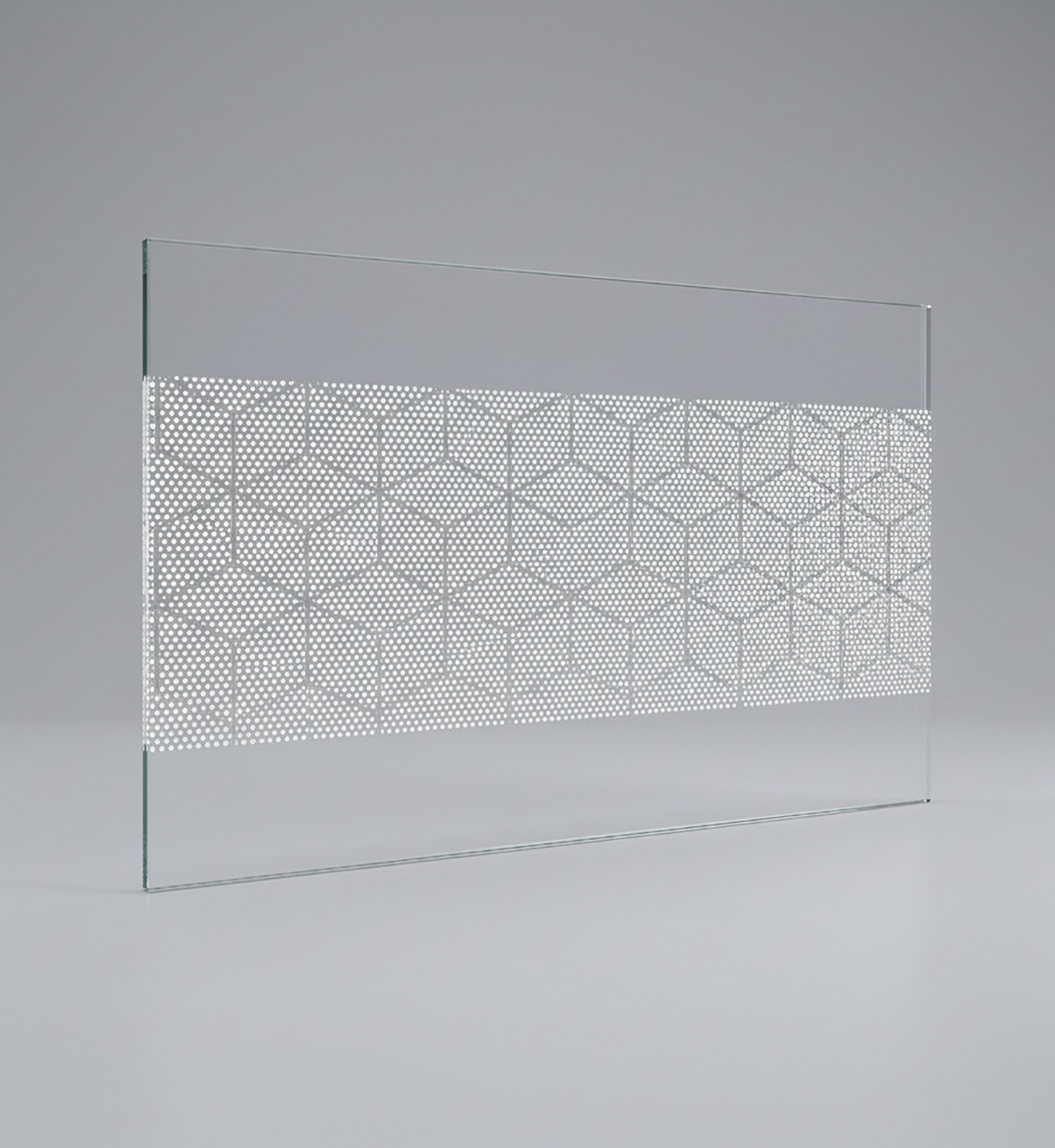
Heat soaked glass is tempered glass that goes through an additional testing cycle before it is supplied for installation. In rare situations, tiny particles known as Nickel Sulfide (NiS) can remain inside the glass. These particles are microscopic and cannot be detected during visual inspection. Over time, due to temperature changes, they may expand and lead to spontaneous breakage. Although this occurrence is uncommon, certain projects require the risk to be reduced as much as possible.
To minimise this possibility, a Heat Soak Test (HST) is carried out after the tempering process. The glass panels are placed inside a specially controlled chamber and heated to a specified temperature for a defined period. If any panel contains unstable inclusions, it is likely to break during this cycle inside the chamber rather than after installation at site. Heat soaking does not increase the strength of tempered glass. Its purpose is to improve reliability by filtering out panels that may be vulnerable to spontaneous breakage.